discipline for people who hate routines
"perfect routines” fail you
Published
Dec 24, 2025
Topic
Productivity & Discipline
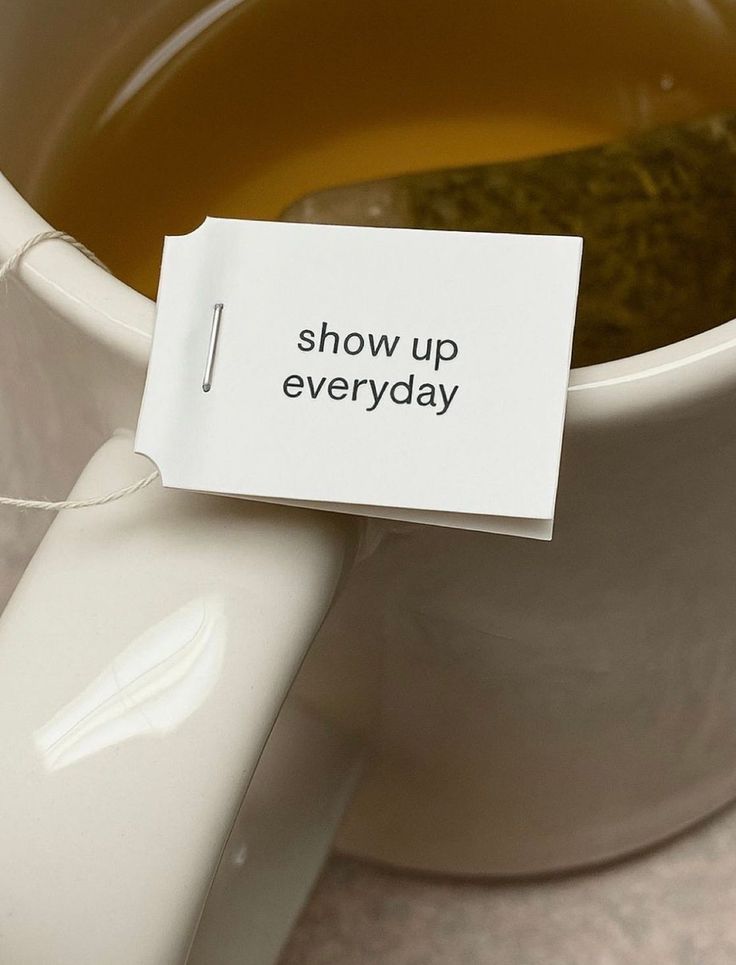
discipline is not aesthetics
discipline is not waking up at the same time as your favorite productivity influencer, drinking the same matcha, and journaling in the same notebook.
discipline is simply doing the important things on days you don’t feel like it.
it’s a contract you have with yourself.
you can be disciplined with:
a messy desk
an irregular sleep schedule (for now)
no gym selfies
if, underneath that, you consistently show up for a few non‑negotiables.
why “perfect routines” fail you
if you hate routines, there’s a good chance your past attempts looked like this:
wake up at 5am
drink 2 liters of water before 8am
gym, journaling, reading, work, side project, social life, 8 hours of sleep
on day 1, you feel unstoppable. by day 4, you miss one piece and your brain labels the entire thing as “failed”. so you stop. then you feel guilty, call yourself lazy, and repeat the cycle.
the real problem wasn’t you. it was the design.
you built a routine for a fantasy version of yourself with no bad days, no anxiety, no unexpected calls, and no low energy. that person doesn’t exist.
step 1: define your non‑negotiables
instead of building a huge routine, pick 3 non‑negotiables for your current season. think of them as anchors, not a prison.
examples:
health: move your body for 20 minutes, drink water, sleep before a certain time most nights
work/study: 1 deep‑focus block where your phone is away
future you: 30–60 minutes on skills, side project, or job search
three is enough. if you try to make 10 things non‑negotiable, nothing is.
ask yourself:
if i only did 3 things on a bad day, what would still move my life forward?
that’s your baseline discipline.
step 2: build “low‑energy” versions
discipline fails when it only works on high‑energy days. life is not instagram. you will have days where you’re tired, sad, stressed, sick, or just off.
for each non‑negotiable, create a low‑energy version:
gym → 10‑minute walk outside
deep work → 20 minutes of focused effort on one task
side project → write 3 bullet points or fix one tiny thing
your rule: on bad days, you’re allowed to drop to the low‑energy version, but you don’t drop it completely.
this is how you stay in motion without burning out.
step 3: use time blocks, not strict schedules
if you hate routines, you probably hate being told “at 7:00 do this, at 7:30 do that.” so don’t.
instead, think in blocks:
morning block: something for your body
work block: one deep‑focus sprint
evening block: something for your future
you don’t need exact times; you just need to know roughly when each block will happen and what matters inside it.
example day:
sometime before noon: walk + water + quick stretch
during work: one 45‑minute no‑phone block on the most important task
later in the day: 30 minutes for learning, portfolio, job search, or building
this feels flexible, not suffocating, but it’s still discipline.
step 4: decide what today is not about
a huge part of discipline is subtraction.
most people feel undisciplined because they say yes to everything, then drag guilt around for the things they didn’t do.
at the start of the day, decide:
today is about: [x]
today is not about: [y, z]
example:
today is about: finishing this assignment + one workout
today is not about: deep cleaning my room, replying to every dm, starting three new things
this removes the constant feeling of “i should be doing more” and lets you actually finish what matters.
step 5: use friction and shortcuts wisely
if you hate routines, you need your environment to work harder for you.
reduce friction for good habits:
put your workout clothes where you can see them
keep your water bottle at your desk
have your “deep work” tab or tool ready to open
increase friction for bad habits:
remove social media from your home screen
use website blockers during your focus block
charge your phone away from your bed
discipline becomes much easier when your default environment aligns with your goals.
step 6: track streaks very lightly
you don’t need 10 apps to be disciplined. a simple system works:
get a calendar (digital or paper)
each day you hit your 3 non‑negotiables (even low‑energy versions), mark an X
your rule:
never miss two days in a row
you will miss days. life happens. the point is to catch yourself before “one off day” becomes “three weeks”.
step 7: let discipline be quiet
discipline is not supposed to be loud.
you don’t need to post every habit, every walk, every deep‑work block. the most powerful discipline is the stuff people only notice months later:
your energy is more stable
your work is sharper
you’re less chaotic
you actually finish things
remember: you’re not building a performance. you’re building a life that feels less random and more intentional.
if you hate routines, discipline can still be yours
you don’t have to become a “routine person” to be disciplined.
you just need:
a few clear non‑negotiables
flexible time blocks instead of rigid schedules
low‑energy versions for bad days
a simple way to keep yourself honest
discipline, at its core, is self‑respect on a schedule.
you don’t do it to impress the internet. you do it so your future self doesn’t have to clean up the mess your present self keeps making.